
Plastic Collection – Success Story of Kalmadi School, Erandwane, Pune
प्लास्टिक संकलन – यशोगाथा कलमाडी स्कूल एरंडवणे,पुणे
Introduction
Increasing plastic pollution in the environment has become a serious issue in today’s time. Excessive use of plastic and improper disposal is causing harmful effects on the environment, wildlife, and human health. In this context, it is very important to create awareness among students about environmental protection and encourage them to adopt eco-friendly habits. With this objective, Kalmadi School, Erandwane, Pune started a plastic collection initiative in 2022. Due to the active participation of students, guidance from teachers, and support from organizations, this initiative has shown remarkable results in a short period. This case study is based on an interview with Ms. Sonali, highlighting the concept, implementation, challenges, and positive outcomes of this initiative.
1) How did the idea of starting the plastic collection initiative come about?
The idea was initiated to create awareness among students about increasing plastic pollution and its harmful effects on the environment. The initiative began on 05/08/2022 in collaboration with Thum Creative Paryavaran Dakshata Kruti Manch. Currently, the school is implementing this initiative in collaboration with Janwani.
2) What was the main objective of this initiative?
The main objective was to inherit eco-friendly habits among students and to develop a sense that even small actions can bring about big changes.
3) What were the roles of school administration, teachers, and students?
The school administration handled planning and provided proper guidance. Teachers acted as coordinators, while students took responsibility for actual collection and awareness activities. During the first year, teachers conducted awareness sessions, and class monitors visited different classes monthly to motivate students.
4) How is plastic collected? (Implementation in classrooms, surroundings, homes, etc.)
.jpeg)
Students collect plastic items such as bottles, containers, toys, etc., from their homes and bring them to school on four designated days each month. Additionally, plastic waste like wrappers, pens, and refills collected in classrooms is also added to the collection.
5) What types of plastic are collected?
Plastic bags, bottles, wrappers, packaging materials, and single-use plastic items are collected.
Result

6) Outcomes: How much plastic has been collected so far? How many students participated?
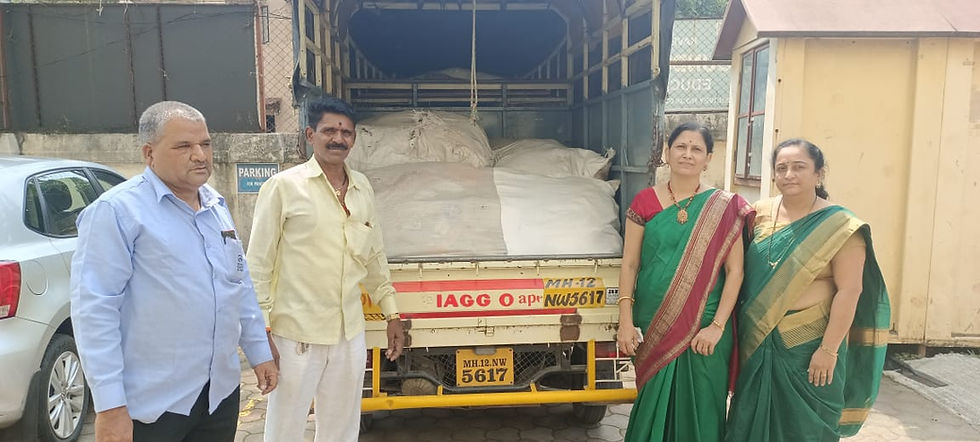
So far, a large quantity of plastic (around 800 to 1000 kg last year) has been collected. Approximately 1500 students from grades 5 to 10 actively participated in this initiative. This effort has helped keep the school premises clean and increased students’ sense of responsibility towards environmental protection. Students experienced that collective efforts can bring positive change.
7) What positive changes were observed in the school and students?
Students developed a sense of responsibility and adopted eco-friendly habits. Once they understood that the collected plastic was being properly disposed of, participation increased further.
8) How was awareness increased among students and parents?
Monthly records of collected plastic were shared with students. They realized that small actions can help protect the environment. Photos of students were shared on WhatsApp groups, which encouraged positive responses and support from parents.
9) How did students’ perspectives towards the environment change?
Students began to focus more on avoiding plastic, waste segregation, and environmental protection. They started adopting eco-friendly habits in daily life. They understood that environmental conservation is not just a responsibility but a duty. They also developed the mindset that small actions can create big changes.
10) What challenges were faced during implementation?

Initially, there was low participation. Other challenges included segregation and storage of plastic.
11) What solutions were implemented to overcome these challenges?
Through proper guidance, motivation, continuous awareness, and support from teachers, these challenges were successfully addressed.
12) What are the future plans for this initiative?
The aim is to continue this initiative regularly and make the school and surrounding area plastic-free. Currently, the school is also running a “No Plastic Bottles & Tiffin” initiative in collaboration with Mission City Chakra, which has received excellent participation and response from students. Future plans include spreading awareness about this initiative in nearby schools and encouraging them to adopt similar practices.

Janwani, established in 2006 and now an independent trust supported by MCCIA, aims to make the Pune Metropolitan Region (PMR) the best place to live and work by promoting solid waste management in collaboration with various stakeholders and has achieved significant progress in coverage, segregation, E-waste collection and capacity building.
Social link

Important links

Contact Us

Registered Office Address

4th floor, Plot no.56, Taur Villa, Shivaji Housing society, S.B.road, Pune, Maharashtra - 411016

91+9146010610